
From the author of Nuclear War: A Scenario — the book that terrified half the internet — comes the biological version. A lab accident. A bio-attack. A pandemic nobody's ready for. The collapse of everything we take for granted. Annie Jacobsen doesn't write predictions — she writes scenarios. Step-by-step, source-by-source, she walks you through what a biological catastrophe would actually look like. Not in theory. In practice. Hour by hour.
- Nuclear War: A Scenario kept you up at night
- You're interested in existential risk, biosecurity, or pandemic preparedness
- You want to understand the biological threats that most people prefer not to think about
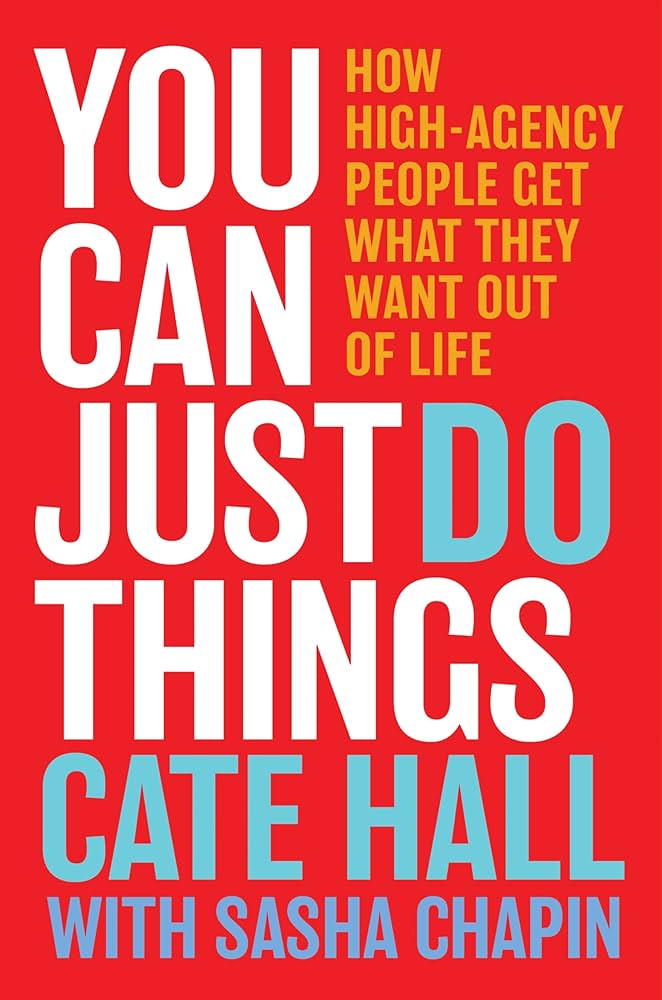
Cate Hall's life reads like a glitch in the matrix. Supreme Court attorney. Number one female poker player in the world. Biotech CEO. Foundation CEO. She didn't follow a career path — she carved a new one every few years. Her argument: the "rules" of success — the productivity systems, the 5-year plans, the optimization frameworks — are designed for people who don't want to think for themselves. High-agency people operate differently. They just… do things. Co-written with Sasha Chapin, this is a manifesto for anyone who suspects the conventional playbook is holding them back.
- You've always suspected that productivity advice is designed for the wrong kind of person
- You're drawn to unconventional career paths and people who break the rules
- You enjoyed Zero to One, The Almanack of Naval Ravikant, or Antifragile
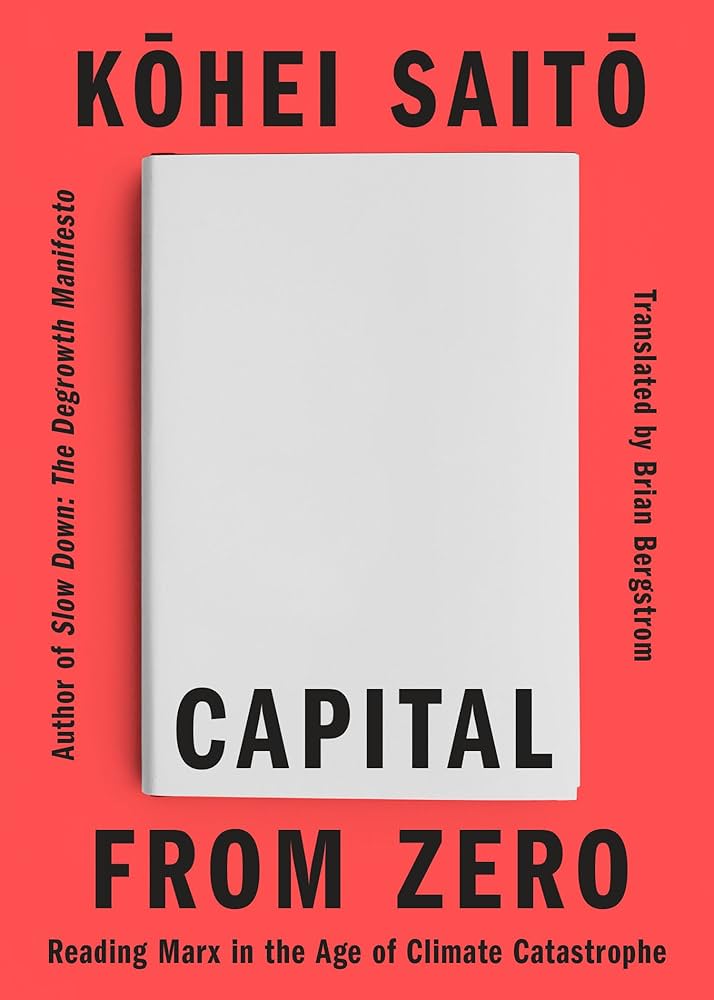
Kohei Saito's Slow Down was a global phenomenon — a Japanese Marxist academic who became a bestselling author by arguing that degrowth is the only sane response to climate change. Now he's back with a new introduction to Marx's Capital for the modern era. Part reading guide, part manifesto, part provocation. He's asking: What would Marx actually say about AI, gig work, and climate collapse?
- You want to understand Marx without reading 1,000 pages of Capital
- You're interested in the economics of AI, climate, and degrowth
- You enjoy intellectual tension — read this alongside Human Action for maximum sparks
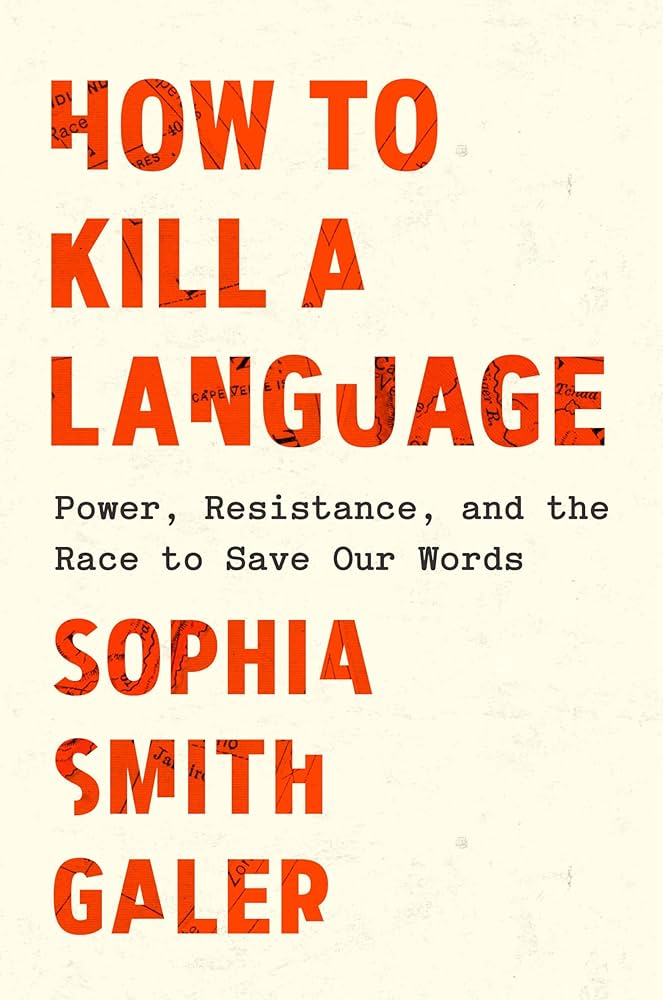
Half of the world's 7,000 languages will disappear this century. Not because they faded away — because they were killed. BBC/VICE journalist Sophia Smith Galer travels from Ghana to Ecuador to Ukraine to investigate linguicide. Languages don't just die of old age. They're murdered by war, nationalism, colonialism, climate displacement, and quiet choices at the dinner table — parents who stop speaking their mother tongue because the dominant language means a better job, a better life. Every language that dies takes an entire way of seeing the world with it.
- You're interested in how power shapes culture and identity
- You think about what gets lost in the name of progress
- You enjoyed Sapiens, The Dawn of Everything, or Guns, Germs, and Steel

Thomas Moore — the author of the million-copy bestseller Care of the Soul — goes back to Thoreau's Walden and asks: what if the cure for our modern frenzy was already written 170 years ago? Thoreau was disillusioned by the same things that exhaust us today — consumerism, overwork, shallow entertainment, the feeling that we're running fast and going nowhere. Moore uses Thoreau's journals and Walden as a guide for slowing down, reconnecting with nature, and recovering something we've lost.
- You feel overwhelmed by the pace of modern life and want a reset
- You've read Thoreau and want a modern guide to his ideas
- You're looking for contemplative nonfiction that doesn't try to optimize you
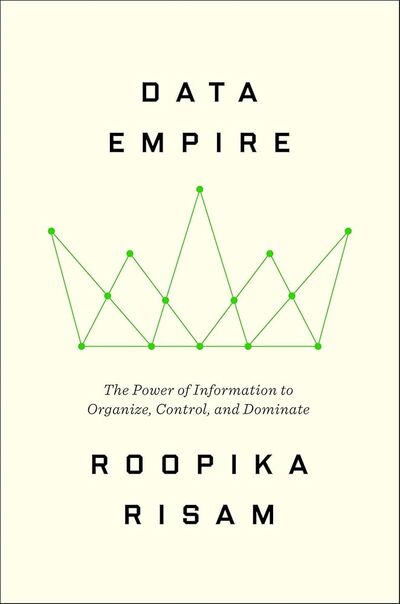
Surveillance capitalism isn't a Silicon Valley invention — it's as old as civilization itself. Roopika Risam traces the history of data as a tool of control from clay tablets in Mesopotamia to the AI-powered systems that govern our lives today. Census records, colonial ledgers, credit scores, facial recognition — the tools change, but the logic stays the same: whoever controls the records controls the people. A sweeping history of information as power, from ancient empires to the algorithmic age.
- You're interested in how power structures use information to control populations
- You enjoyed Sapiens, The Age of Surveillance Capitalism, or Weapons of Math Destruction
- You want historical context for the AI and data debates happening right now

A man arrives at a state capitol believing he's with three friends on an armed mission — but he's alone. The friends aren't real. Diagnosed with schizophrenia and dissociative identity disorder, he reaches out to an old college friend — the author — and asks for help piecing together what actually happened. What follows is a memoir about mental illness, fractured memory, and the bond between two people trying to reconstruct reality from the inside out. Blurbed by Robert Kolker, author of Hidden Valley Road.
- You're fascinated by the psychology of perception, memory, and identity
- You enjoyed Hidden Valley Road, The Center Cannot Hold, or Lost Connections
- You want narrative nonfiction that reads like a thriller but teaches you something real