The Great Books List — Books that will change your life
Welcome to my curated collection of books that have shaped my thinking and changed my life. These are not just recommendations — they are invitations to explore the deepest questions about human nature, meaning, and potential. Each book has earned its place here through the impact it had on me. I hope they do the same for you.
Ancient wisdom and timeless fiction that illuminate the human condition.
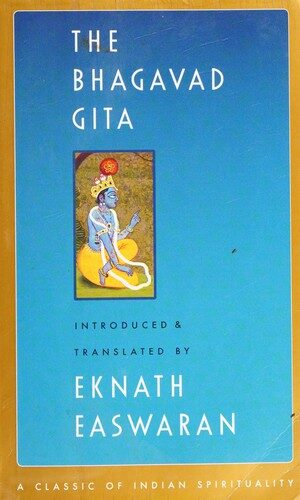
The wisdom this book holds is as ancient as it is timeless. Its instructions have guided generations for how to live, work, love and die.
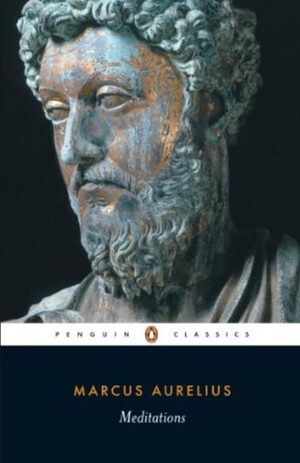
The philosopher king's own writings about his Stoicism.
Aleksandr Solzhenitsyn's account of the Gulag Prison system.
A short essay on the duration of life. Is life too short? Or has it been given in a sufficient amount? Seneca, the stoic, gives his take on these questions and how you can avoid wasting your life. A book that is as relevant today as it was 2000 years ago.
A spiritual journey of self-discovery in the time of the Buddha. A book that had a profound impact on me when I first encountered it.
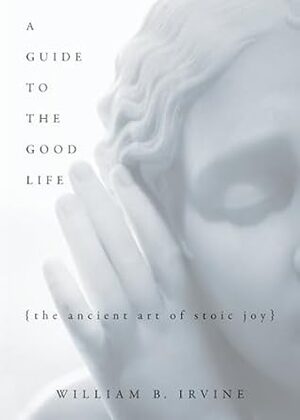
One of my favorite books of all time. A book that I've reread countless times. A great introduction to Stoic philosophy and a practical guide for how to implement stoic practices to a modern life — and gain peace of mind.
Bronnie Ware worked as a caretaker of the dying. Through her work she was able to identify the most common and deepest regrets people had during those final days.
This book took me by surprise. Again I'm reminded that classics are classics for a reason. This book is more deeply psychological than my psychology books. If you have any interest at all in understanding human nature, then this book should jump to the top of your reading list.
Understanding what makes us tick — and why we do what we do.
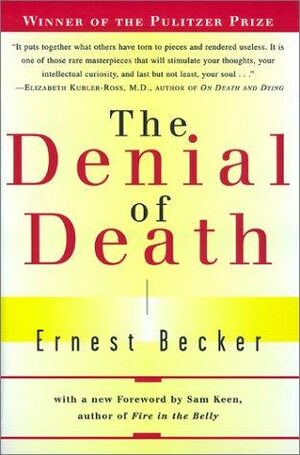
We know we will eventually die. What kind of psychological effect does this terrible truth have on us? This is the topic explored in Ernest Becker's Pulitzer Prize winning book.
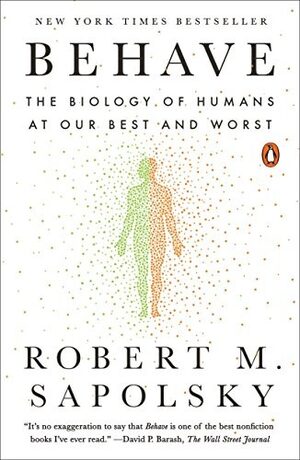
A majestic account of human behavior by renowned Stanford professor Robert Sapolsky. Highly complex and nuanced but equally rewarding read.
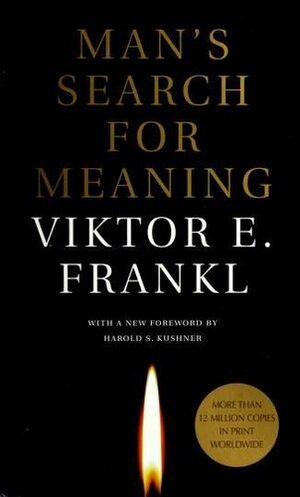
Viktor Frankl's classic account of his experience in the Nazi death camps. A book that explains why meaning trumps pleasure as the primary human drive.
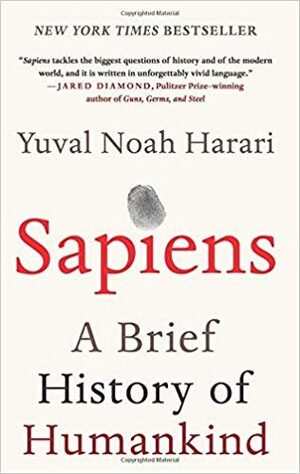
A history of humankind from the Stone Age up to the twenty-first century. A great starting point for new readers to get a perspective on where we came from and how we got where we are.
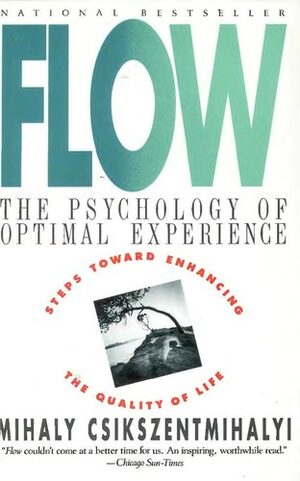
The more time you spend in flow the more fulfilled you will be in life. Understanding this concept and how to turn the everyday grind into flow experiences is one of the most important things you can do.
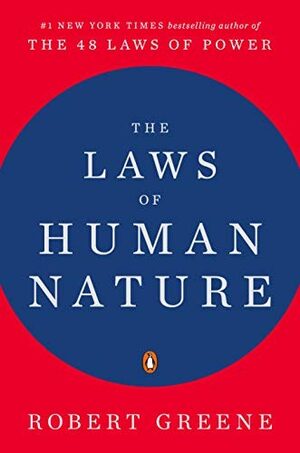
Robert Greene's magnum opus. An absolute must for people who want an accessible entry into what makes people act the way they do — and you might learn something about yourself too!
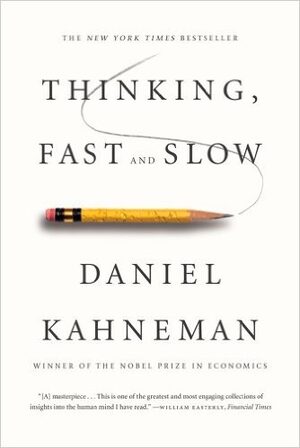
This lays out the landmark, and Nobel prize awarded, work of Kahneman. A must read book and modern classic.
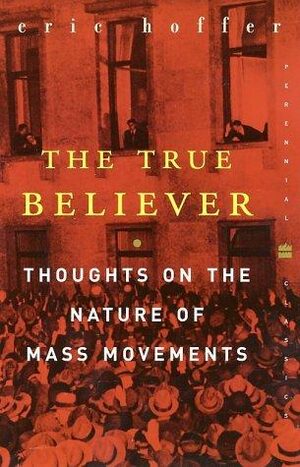
Eric Hoffer explores the temptation of submission to totalitarian regimes in this landmark book.
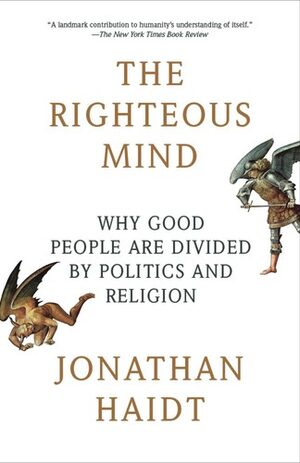
The Righteous Mind brings some challenging ideas to the table about morality, religion and politics. It shines a light on the miracle that humans actually can cooperate with each other — and why we so often fail to do so.
Stories and strategies for becoming more than you are.
Shackleton's voyage to explore Antarctica is one of the greatest adventure stories of all time.
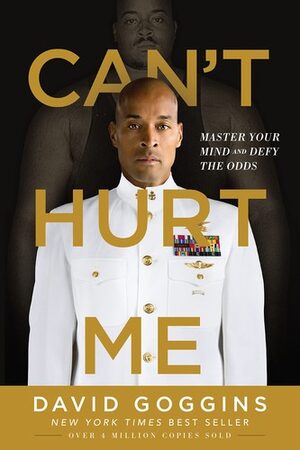
David Goggins managed to escape an abusive family situation and decided to become a navy S.E.A.L. The problem was that he was overweight, uneducated, and unprepared. This was the starting point for the man that went to become one of toughest endurance athletes of our time.
Life is suffering. How do we deal with that?! We face it, we bear it. What if we get our act together and instead are prepared to face suffering when it comes knocking? That's the better path.
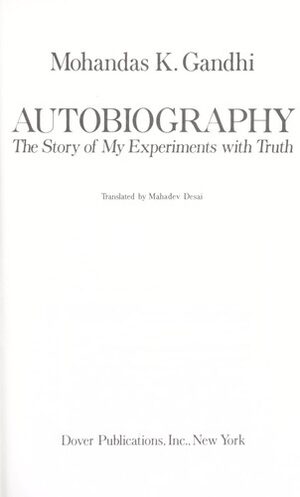
We get to follow a great man in the making. Like a mad scientist, and from an early age, he experimented with every area of his life to find the essence of the soul.
Books for thinking clearly about money, power, and technology in the decades ahead.
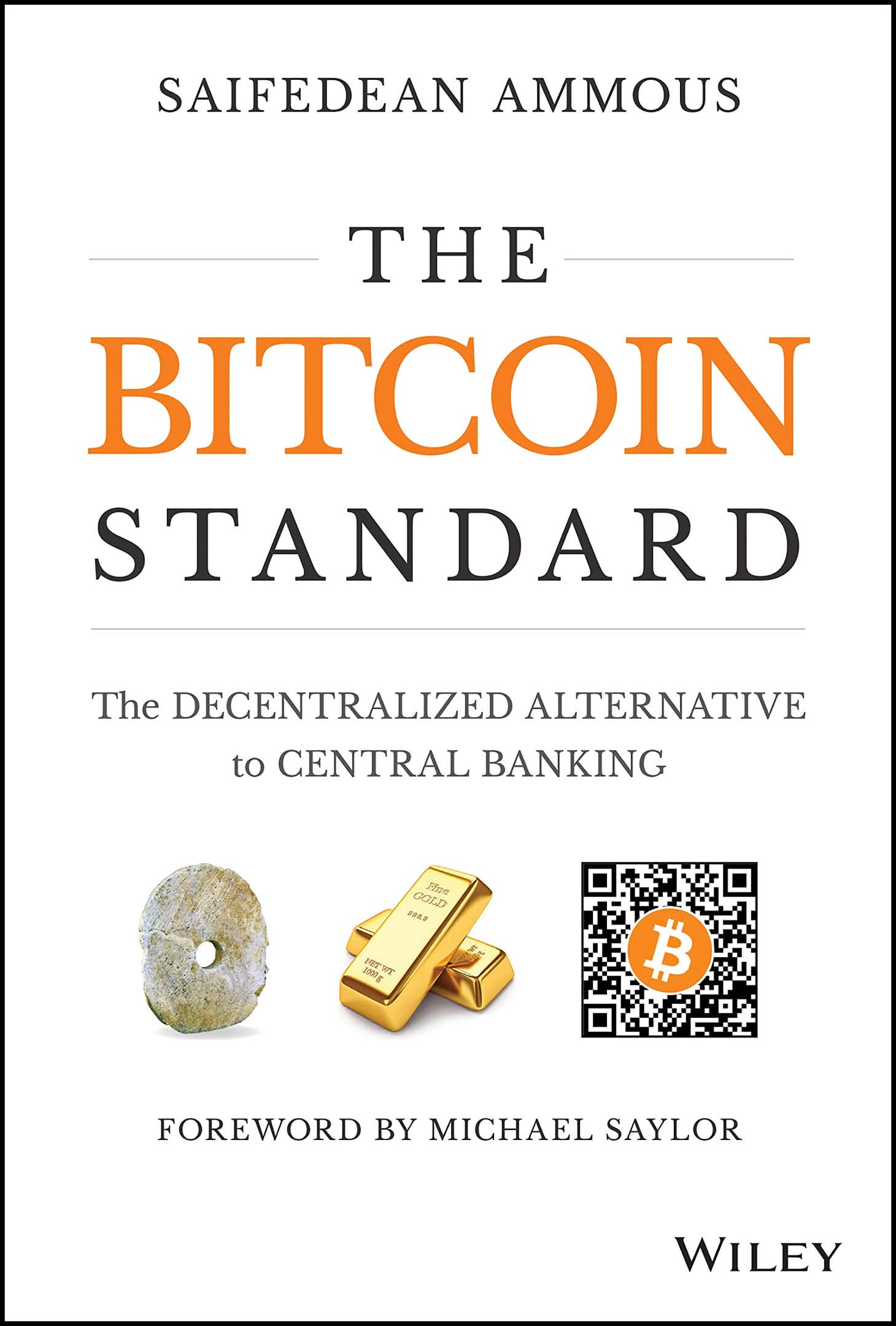
Ammous traces the history of money — from seashells to gold to fiat — and argues that Bitcoin is the first credible return to hard money in the digital age. A crash course in sound money, time preference, and why the currency you hold shapes the civilization you live in.
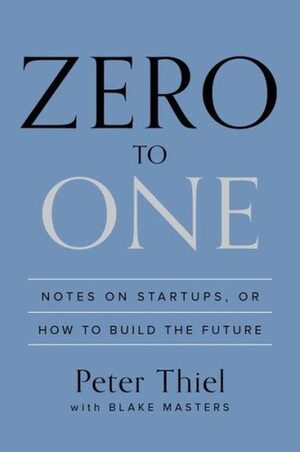
Real progress comes from going from zero to one — creating something radically new — not from copying what already works. Thiel makes the case for contrarian thinking, monopolies built on genuine innovation, and the courage to bet on a future most people can't yet see.
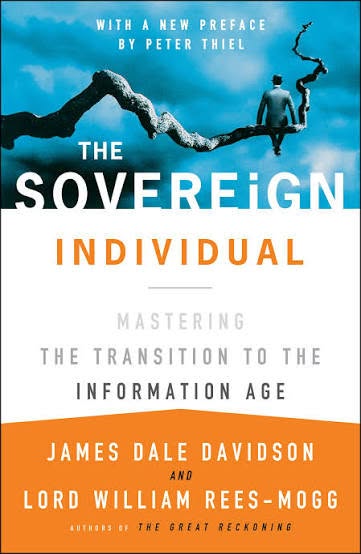
Written in 1997 and eerily prescient, Davidson and Rees-Mogg argue that the information age will shatter the nation-state, liberate the individual from predatory governments, and reward those who can operate across borders with their minds and their capital. A blueprint for thriving in the transition.
Bard and Söderqvist argue that capitalism is giving way to a new order ruled by those who command the networks — the netocrats — while the rest of us risk sliding into the consumtariat. A sharp, Swedish, and deeply contrarian map of power in the information age.
Practical books for mastering the art of living well.
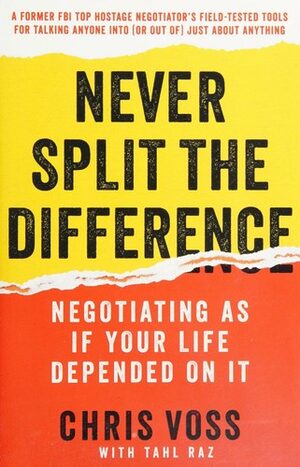
A former FBI hostage negotiator turns high-stakes tactics into everyday tools. Voss shows that real negotiation isn't about logic and compromise — it's about empathy, tone of voice, and understanding the emotional world on the other side of the table.
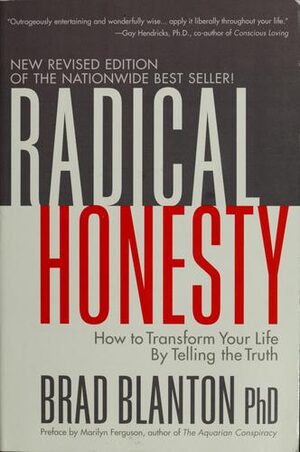
Blanton argues that most of our suffering comes from the lies we tell — big ones, small ones, and the ones we tell ourselves. His prescription is radical: tell the truth, all the time, and watch your life get lighter, messier, and far more real.
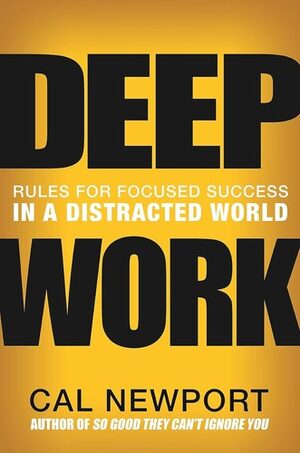
In a world of endless notifications and shallow tasks, the ability to focus deeply has become both rare and valuable. Newport makes the case that deep work is the superpower of the 21st century — and gives you a playbook for reclaiming it.
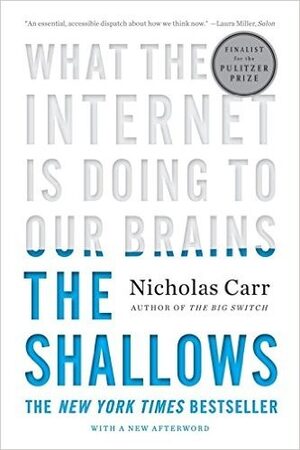
What is the internet doing to our brains? Carr traces how the tools we use reshape how we think, and argues that constant connectivity is rewiring us for distraction and shallow thinking at the expense of depth, memory, and contemplation.
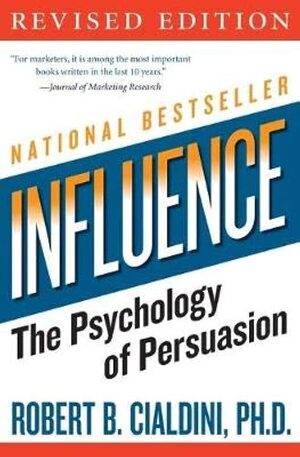
The classic book on why we say yes — and how to recognize when we're being nudged. Cialdini distills decades of research into six principles of persuasion that explain everything from marketing tricks to why you bought that thing you didn't need.
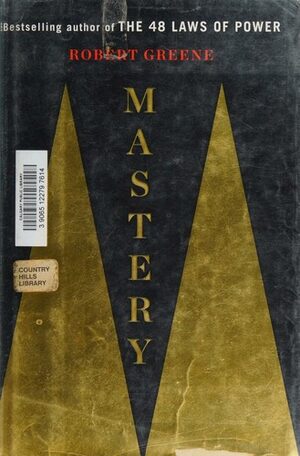
Greene studies the lives of history's great masters — Da Vinci, Darwin, Mozart — and reverse-engineers the path they walked. The result is a roadmap for anyone who wants to go from apprentice to true mastery in their chosen craft.
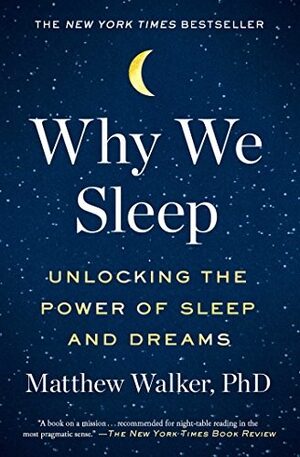
Walker makes the case that sleep isn't a luxury — it's the foundation of physical health, mental performance, emotional stability, and longevity. After reading this, you'll never think of pulling an all-nighter the same way again.
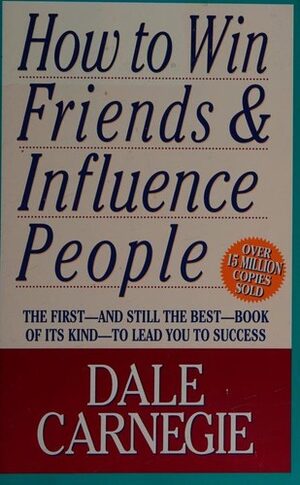
Nearly a century old and still one of the most practical books ever written about dealing with other human beings. Carnegie's principles are simple, old-fashioned, and unreasonably effective — proof that human nature doesn't change much.
Books for the inner journey.
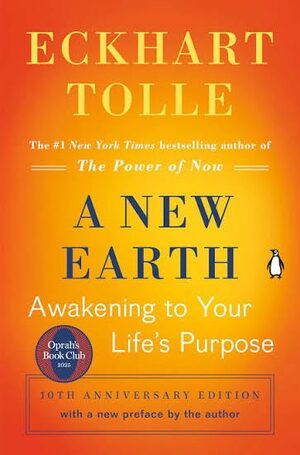
Tolle argues that most of human suffering comes from identifying with the ego — the voice in your head that tells you who you are. A New Earth is an invitation to step out of that voice, into presence, and into a deeper sense of being that isn't built on circumstances.
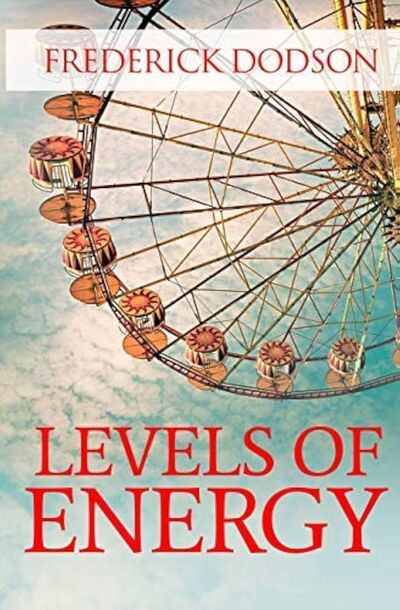
Dodson maps out a ladder of states of consciousness — from apathy and fear all the way up to joy, peace, and enlightenment — and shows how the level you live at shapes everything you attract, create, and experience. Strange, ambitious, and oddly practical.
Dodson takes the idea of parallel realities and turns it into a tool for personal transformation. The premise: every version of you already exists, and the work of living is learning to shift into the reality you actually want to inhabit.